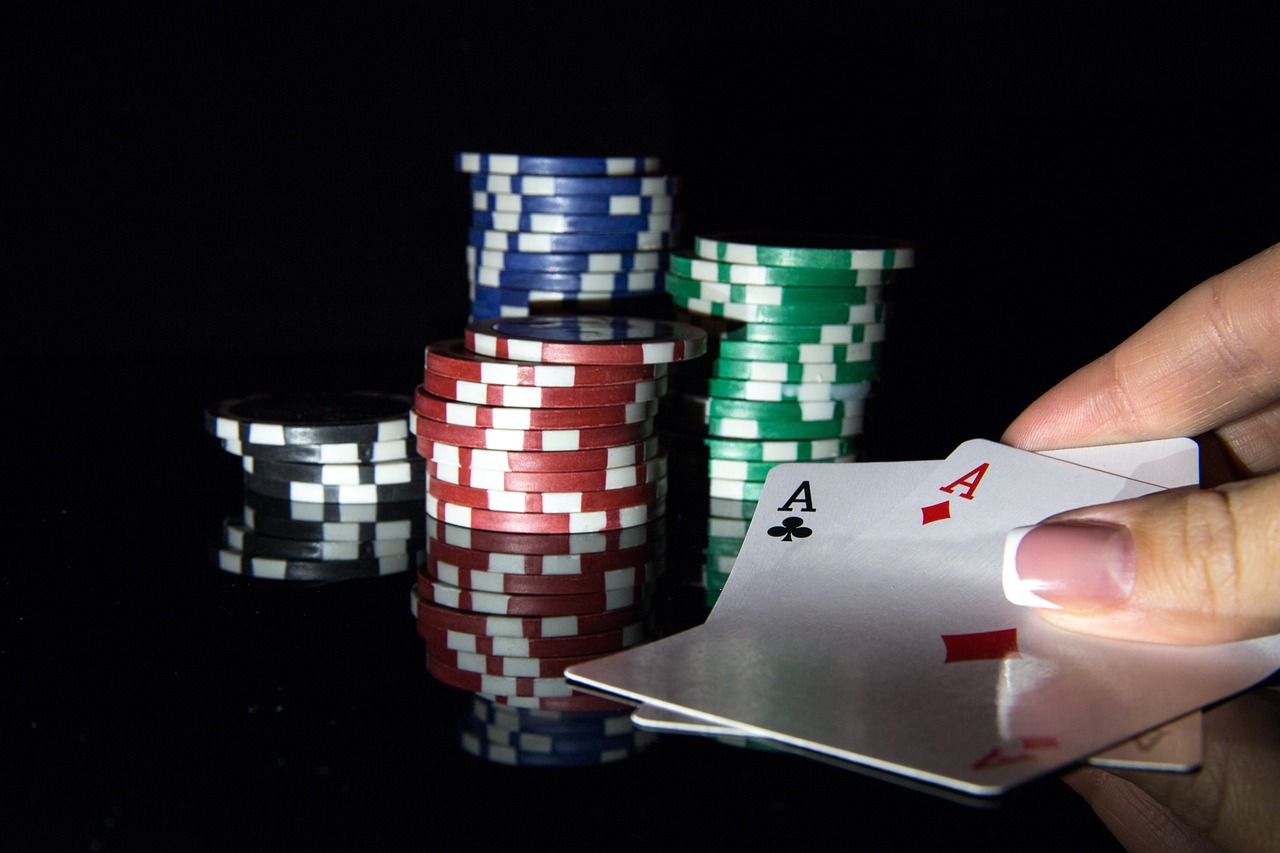
A game of deception, psychology, and skill, poker is. Amateurs think of their cards only, but professionals observe everything. In particular, how their opponents bet. This is when an inexperienced player bets differently according to their card value, which is one of the most glaring habits that can reveal the actual strength of their hand.
In this article, we’ll break down how poker pros spot and exploit these tells, common mistakes amateurs make, so that you can start playing like the pros at 22Bet.
What Are Bet Sizing Tells?
A bet sizing tell is any consistent pattern in how a person wagers that reveals information about their hand. Unlike physical give-aways (like nervous tics or shaky hands), this is based purely on the numbers.
To discern the strength or weakness of their contenders, pros study these patterns. The opposite is also true, as amateurs tend to place bets in patterns they do not even know about.
Common Mistakes
Here are three key mistakes that give away an amateur’s hand:
- Small Bets Usually Mean Weak Hands
- Many inexperienced newbies bet small when they’re unsure or have a marginal hand.
- Example: On the river, an amateur bets 20% of the pot with a mediocre pair, hoping for a cheap showdown. A pro recognizes this as a weakness and raises to force a fold.
- Overbetting with Strong Hands
- Amateurs often play too big when they have a monster hand (like a full house or flush).
- Example: Facing a $100 pot, an amateur suddenly bets $300—this screams strength. A pro might fold a decent hand, saving money.
- Inconsistent Sizing Across Streets
- Amateurs change wager sizes unpredictably (small on the flop, huge on the turn). This makes their hand very easy to read.
- Example: Placing $10 on the flop and then $50 on the turn often indicates a strong draw or made hand.
How Pros Exploit These Tells
Once a pro identifies an opponent’s patterns, they adjust their strategy to maximize profit or minimize losses, and here’s how they do it:
1. Punishing Weak Bets with Aggression
If a player consistently makes small, timid bets, a pro will:
- Raise more often to pressure them into folding.
- Bluff more against them, knowing they won’t defend properly.
Example: An amateur checks the flop, then bets 1/4 pot on the turn. A pro raises, knowing they likely have a weak pair or draw.
2. Folding Unless They Have the Nuts
When an amateur suddenly triples the pot, a pro assumes they have a very strong hand. They will fold unless they can beat it.
3. Disguising Their Hand
A skilled player learns the essence of balanced play and makes purposely identical bets of the same size to be unpredictable. An example of such a strategy is a professional player who will always bet half the pot, whether they actually have a good hand or not. They will then gradually increase the pot size, drawing less attention to themselves.
This thought-out balance in their approach removes any exploitable tendencies and drives their opponents into the guessing game. The combination of deceit and mathematical accuracy means that even opponents who are closely paying attention still fail to clearly identify their moves as either weak or strong.
About the Author